This is my entry into the 2009 Game Chef.

- The Miriam Incongruity
- http://dl.getdropbox.com/u/966637/The_Miriam_Incongruity.pdf
- A child, born on a remote planet, is key to defeating the undead theocracy. A group of protectors must deliver her to safety.
- two weeks, intrigue, fleur-de-lis, star, dressed, and zombies

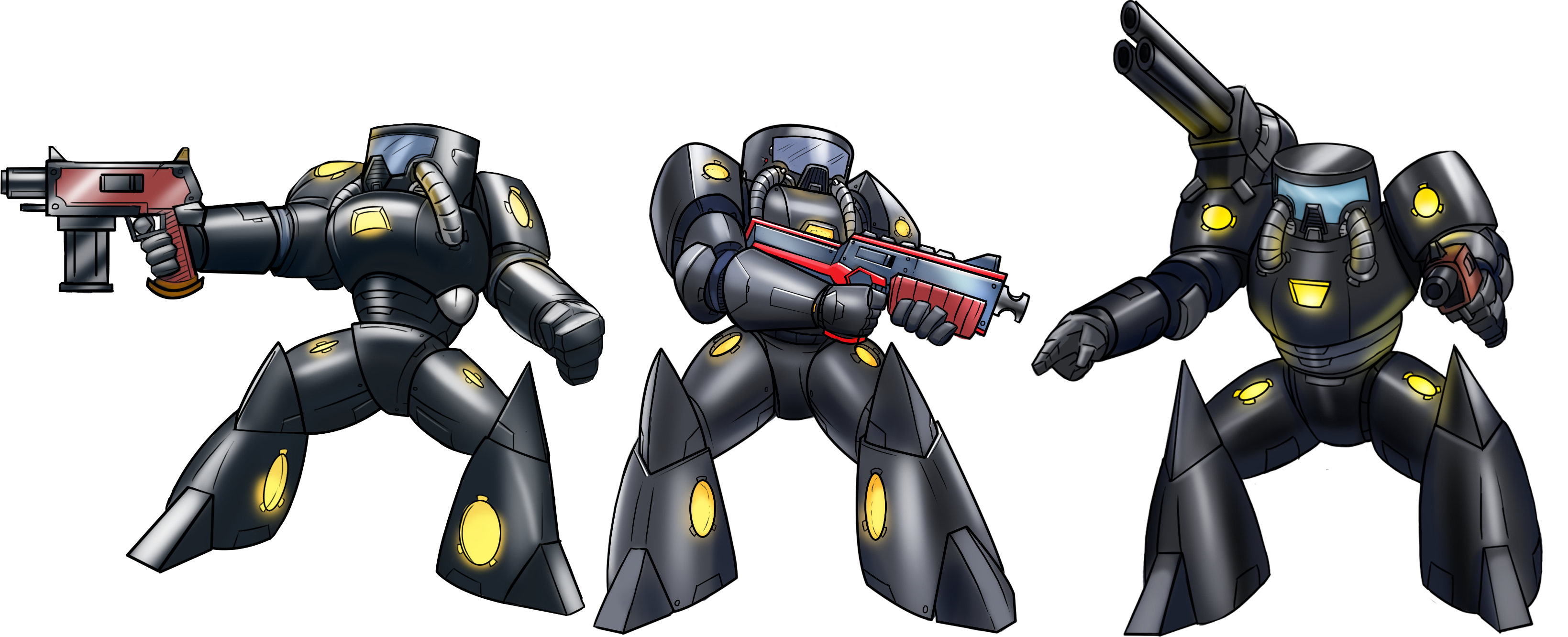
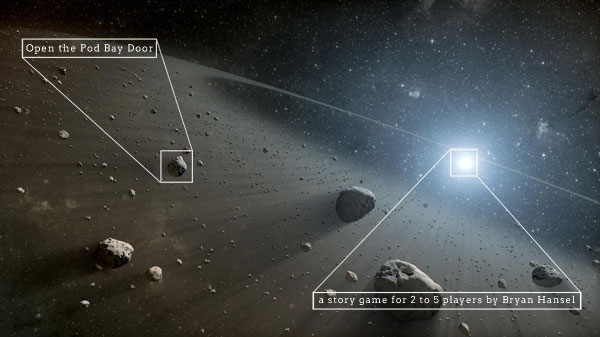
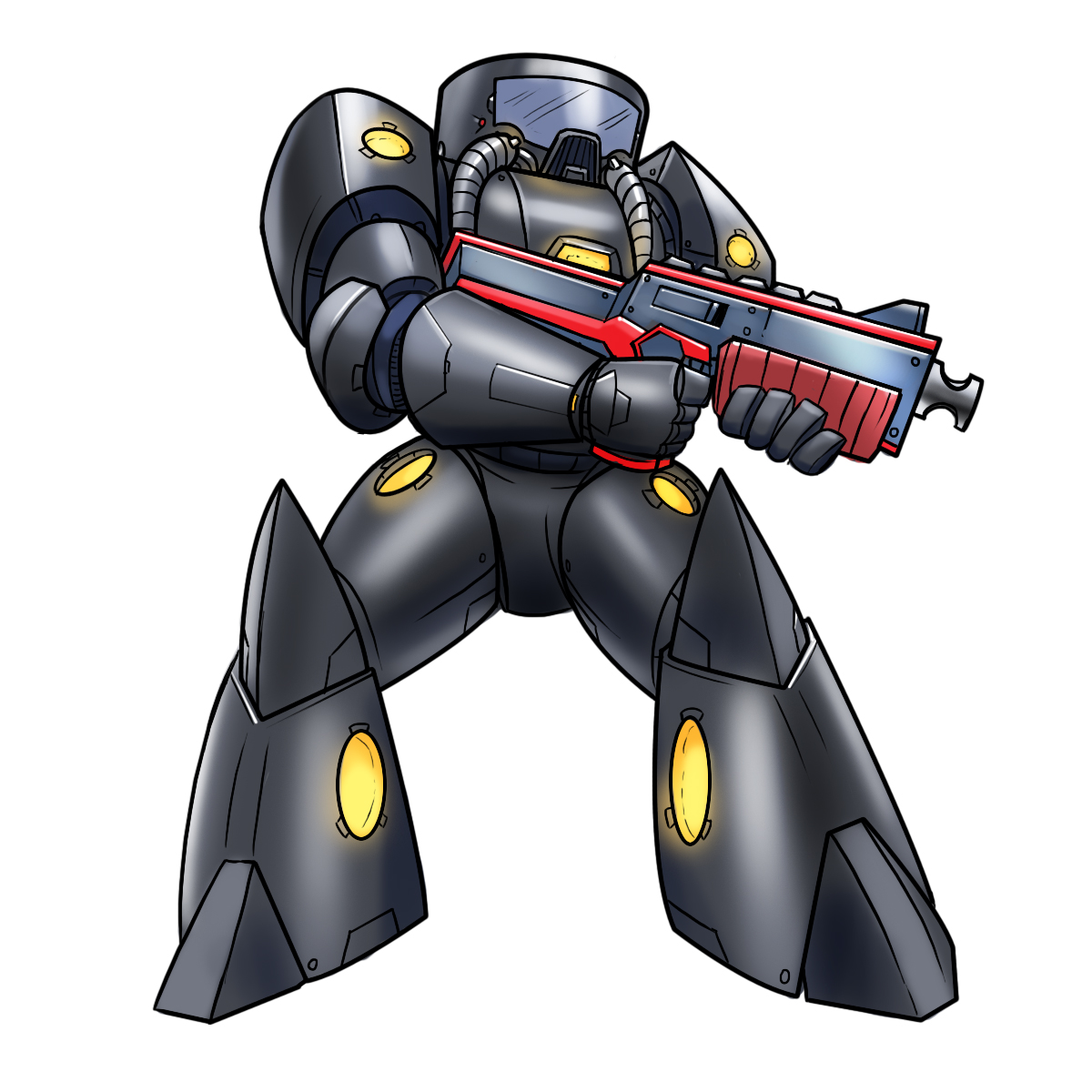
I’ve been browsing the web for public domain images that I can use in my game. I want a mix of military, religious images and space images. I’ve been pretty lucky to find what I’m looking for. Some I’ve had to do a bit of photoshop work on to make it fit in. Here are a few images:

I needed a title for my 2009 Game Chef entry, so I spent a bit of time and came up with The Miriam Incongruity.

Miriam is the Hebrew form of Mary. This comes out of the Fleur-de-lis. I taking the medieval religious meaning of “Lily among thorns” from the Song of Solomon and the later application of the symbol to the Virgin Mary. In the Christian myth, the Virgin Mary birthed a deity. In this game, the players are protecting a child named Miriam who has the power to end the undead rule.

Incongruity, because her wild genes don’t conform to the standard genes in the human pool.

Plus it’s cool to say.

Changing Situation Table

1d8 What happens
1 Escalate
2 Reverse Reward
3 Wipes Clean
4 Changes Completely
5 Setback
6 Lost Cause
7 It Worked, but…
8 Complete Escalation

Escalations and Complete Escalations

The GM plays off the current situation, but makes it harder. Example: While the group is trying to hide from security cameras in the local spaceport, the undead release airborne mobile cameras that make hiding much harder. In a complete escalation, they situation becomes even more dangerous. Every character will now have to face an obstacle.

Reverse Reward

The exact opposite of what the player wanted to happen happens, and the GM gives the character a setback.

Wipes Clean

The situation is wiped clean of any obstacles and the GM describes a new situation with a new obstacle.

Changes Completely

What the players thought was the obstacle ended up not being anything, and a new obstacle emerges from the situation.

Setback

The player suffers a setback to his character. The player marks the setback and tells how the setback came about. For some setbacks the GM may inflict a penalty on the character’s rolls. The GM decides which one: dazed, injured, dead, undead, trapped, outed, lost, depressed, mad, wants revenge.

Lost Cause

The situation and obstacle is a lost cause. There is no way around it, so the players will have to think of a different approach.

It worked, but…

What the player wanted to happen, happens, except that the GM can modify it by describing what also went wrong, and the GM gives the player a setback.

Reward Dice

When a player does something that the GM thinks is really cool, she can give out reward dice. Any reward dice given are put into a bowl in the center of the table.

When a player thinks that another player has done something cool, he can give a single die from the bowl to that player.

When reward dice are rolled, and more than one die beats the difficultly goal of the obstacle, the players get a Reward Situation.

Rolling the Dice

When a character tries to overcome an obstacle, his player rolls dice. Start with one six sided die. If any traits, skills, or connections can help, roll its rank in dice. The goal is to roll a single die equal to or higher than the difficultly of the obstacle. The GM sets the difficultly.

Difficultly: 3 is Easy; 4 is Hard; 5 is Challenging; 6 is Severe

Before any dice are rolled, the player says what he wants to happen if he wins, and tells everyone what his character is doing to make that happen. He also decides if he wants to spend reward dice.

If won, the GM tells the players how what they wanted to happen comes true.

If lost, the GM rolls on the Changing Situation Table and describes the outcome.

Helping

A player may help another by saying what he’s doing to help out and spending a reward die.

Quantum Communication Box

Each character has a QCB loaded with 5 minutes of conversation given to them by the church for undertaking this dangerous journey. One end is meant to be given to family, friends or close organization, but can be kept and used or given away later. The Teutonic Knight also has a 10 minute QCB connecting the players to Joshua.
The GM must track the time used and remaining on these boxes. When they run out, no more communication can be made between the connected parties. The church will provide instructions to the players about how to obtain a new box that will connect them to Joshua before the time on that box runs out.

Overview of Playing
The game is played with a game master and players. The game master’s job is to track time, track the QCB, and to provide imagined situations to share with the players. These imagined situations may have obstacles that the player’s characters must overcoming using their connections, skills, or traits, or they may serve other purpose of the GM’s desire. All situations should help the characters move further along in their journey to deliver the wild child to Vatican, or the situations should allow the players to feel their character’s connection to mortality through the aging of their friends, family, and contacts. Use the Undead to press the possibility of living forever. The GM is also responsible for changing the imagined situations when the rolls go wrong.
The player’s job is to tell the GM how their characters respond to the imagined situations the GM shares with them. It is also their job to decide which connections, skills, or traits that they will use to overcome obstacles in the imagined situations. When using connections, skills, or traits to overcome the obstacles, the players must state what they wish to happen then roll the dice. The dice will determine the outcome. Occasionally, with the right dice roll, the players will be able to put their characters into a imagined situation of their own design.

Obstacles

Obstacles are cool situations that characters must overcome to advance to the next situation and get closer to their goal of delivering the wild child to Vatican. GMs make up the situations. Players use their connections, skills, or traits to overcome a situation, and they tell the GM what they want to happen if they win within the confines of the current situation. (I.e. If the characters are in a tough negation for hidden passage on a freighter, they can’t learn the location of Vatican from the captain, because he doesn’t know.) If they win, what they wanted happens.
If they lose, roll on the Changing Situation table.
Sometimes, when they win, the players will be able to come up with the next situation in a Reward Situation.

Reward Situation

A reward situation is a situation that the players make up together based on the special success against an obstacle. It can be anything that flows from the winning against an obstacle. A reward situation can never revel the location of Vatican.

Changing Situation Table

1d8 What happens
1 Escalate
2 Reverse Reward
3 Wipes Clean
4 Changes Completely
5 Conditioned
6 Lost Cause
7 It Worked, but…
8 Complete Escalation